Just passing through
Budapest
Grand and monumental on the surface — a city that turns out to be remarkably easy on foot.
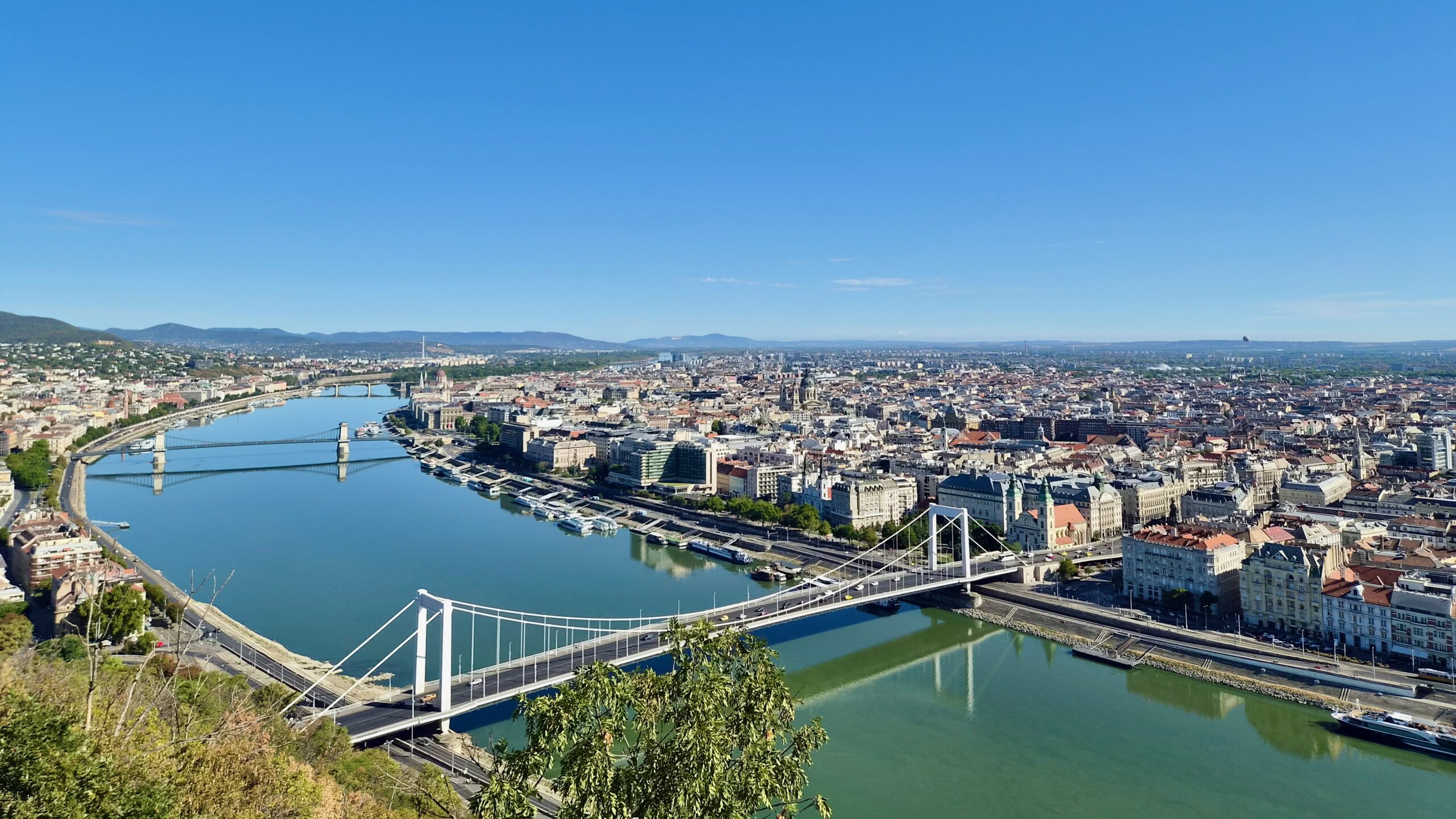
Budapest looks like a lot of city from a distance — broad boulevards, a river splitting it in two, a skyline built to impress. On foot, the scale stops being the point. The streets themselves are what keep you going, often further than you planned.
The lay of the land
How the City Changes
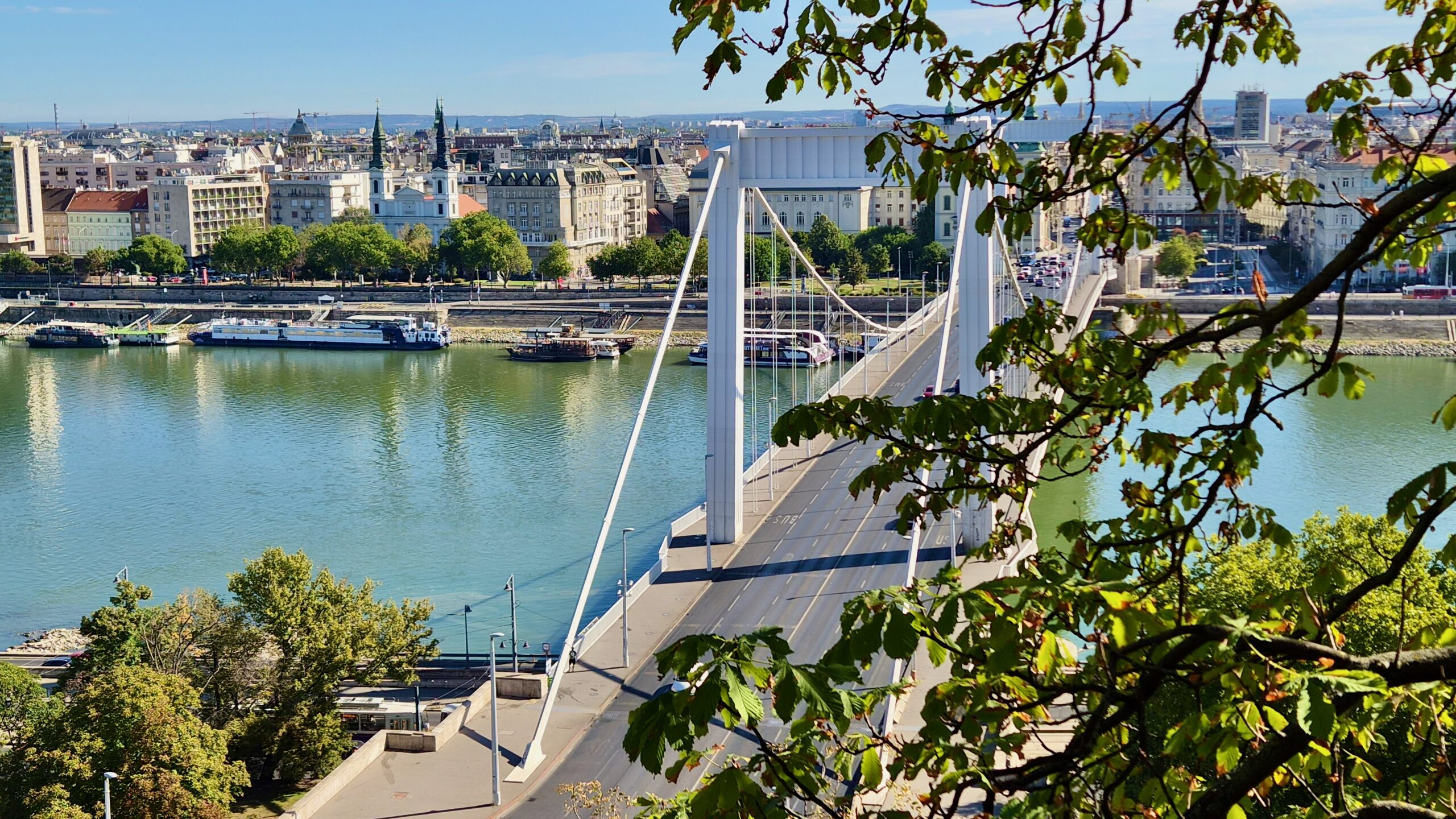
The Danube runs straight through the middle, and it does most of the orientation work for you. Bridges work as landmarks, and you rarely lose track of which side you’re on. Three areas give a sense of how Budapest shifts as you move through it — you recognise them not by name, but by how they feel. A starting point, not the whole map.
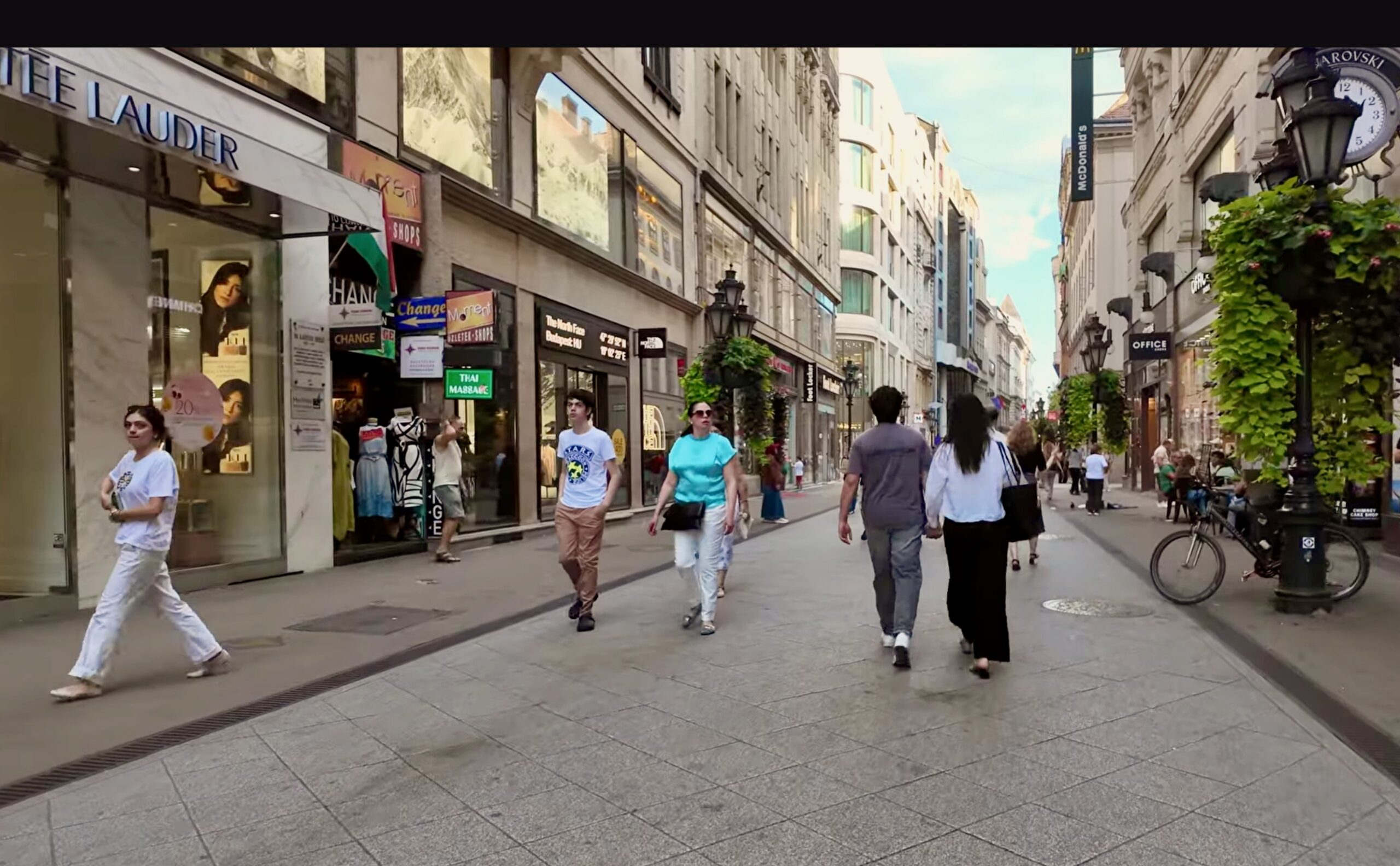
Inner Pest — flat, dense, grand. Big streets, big buildings, and the river never far from its edge.
The Jewish Quarter — tighter, busier, less formal. Small streets, courtyards, bars, and plenty of reasons to turn off the street you thought you were following.
Buda — quieter and hillier. Cross a bridge, and the walk changes almost immediately.
How it feels to walk
The Streets That Keep You Walking
The river tells you where you are at all times, and the bridges work as natural landmarks — you don’t need a route here, just the water on one side. Turn into the Jewish Quarter and the streets get smaller. There are intersections everywhere, with courtyards opening off to the side, and it’s very easy to turn down one street, then another, without really planning it. On the Buda side, the change is simpler: you start climbing.
Budapest is a big city, and the major ring roads do interrupt the walk — wide, loud, and sometimes sending you underground just to cross them. That’s simply part of a city this size. What stays with you is the opposite feeling: the streets themselves make you want to keep going. It’s easy to end up walking much further than you’d planned, just because the next street still looks worth seeing.
The quieter pleasures
Where Budapest Lets You Stop
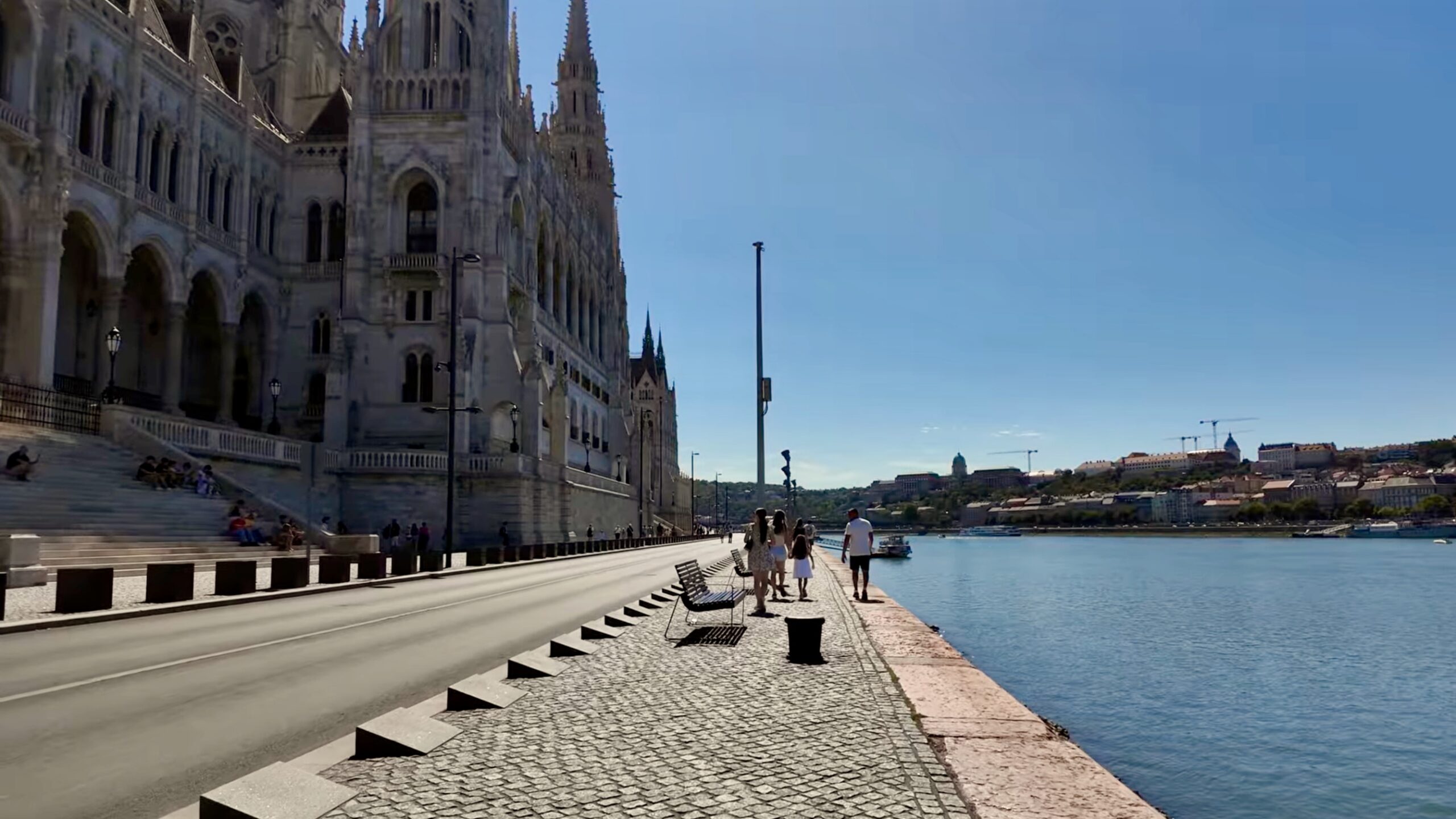
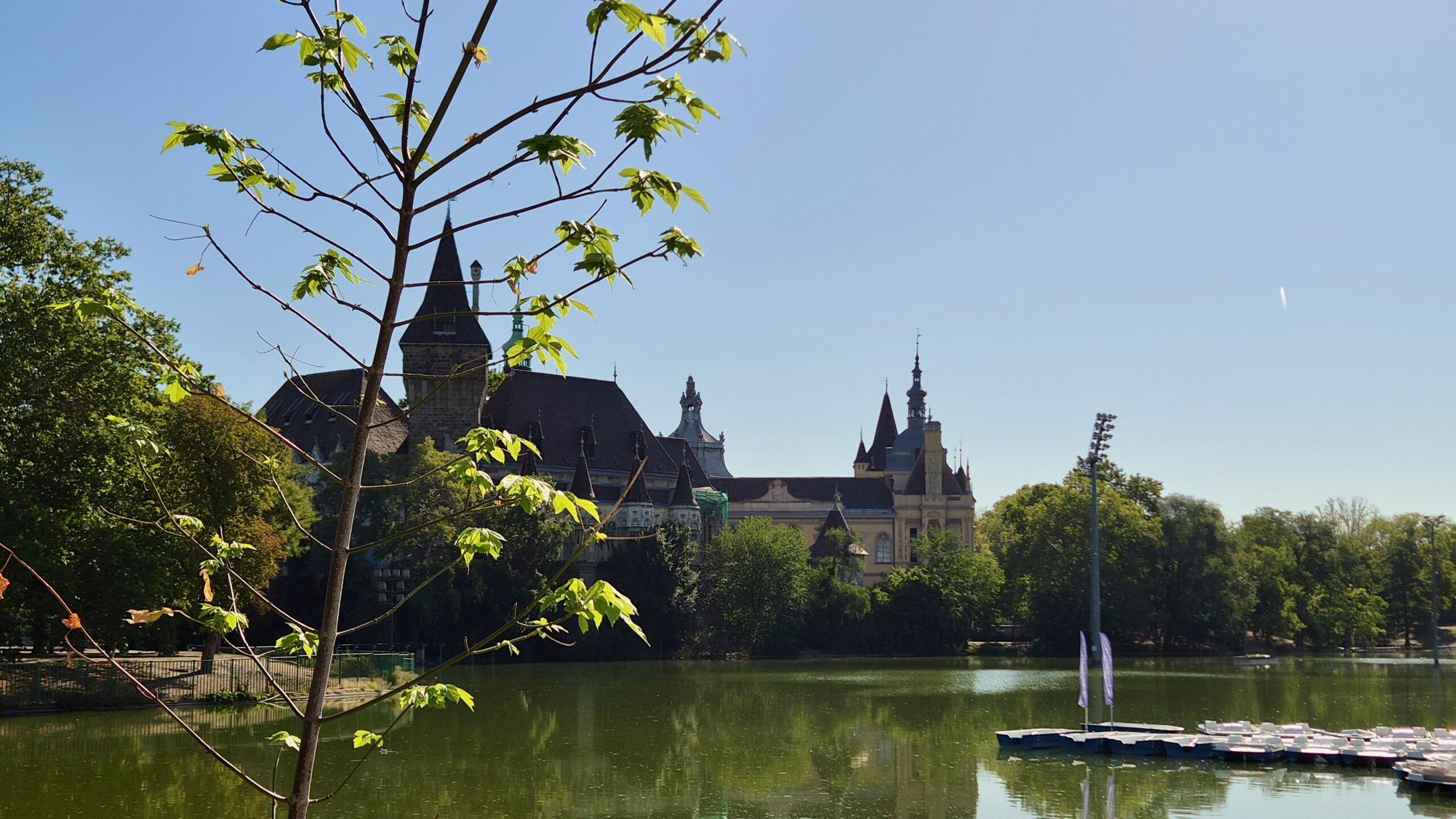
For a city this large, Budapest has plenty of places where you can stop and still feel part of the street. Benches turn up along the walk without much searching, small parks appear where you don’t expect them, and there are places to sit close to the water without ever really leaving the centre.
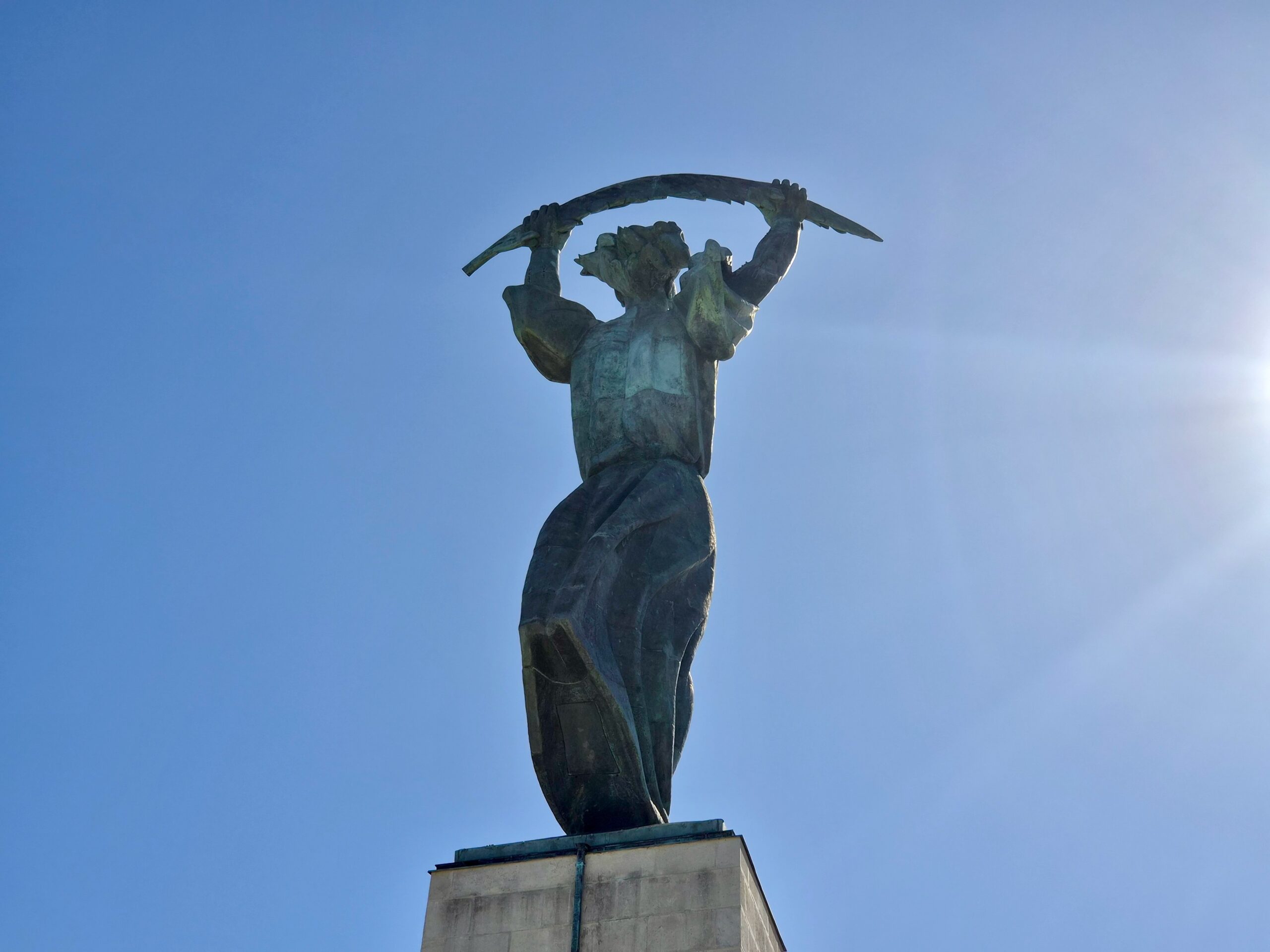
And for those willing to climb, there’s more than a bench waiting. Gellért Hill rewards the effort with a view over the whole city — a different kind of pause, one you walk up for on purpose rather than one that simply appears along the way.

The Travel Without Chaos Index
How Budapest Scores
Three dimensions, each out of five — not a ranking, just an honest look at what the city feels like when you slow down.
Excellent, and varied — the river keeps you oriented, the Jewish Quarter invites drifting, and Buda turns the walk into a climb. The ring roads interrupt now and then, but the streets themselves pull you further than you plan to go. Bratislava and Munich land on the same score — worth comparing if you’re weighing similar cities.
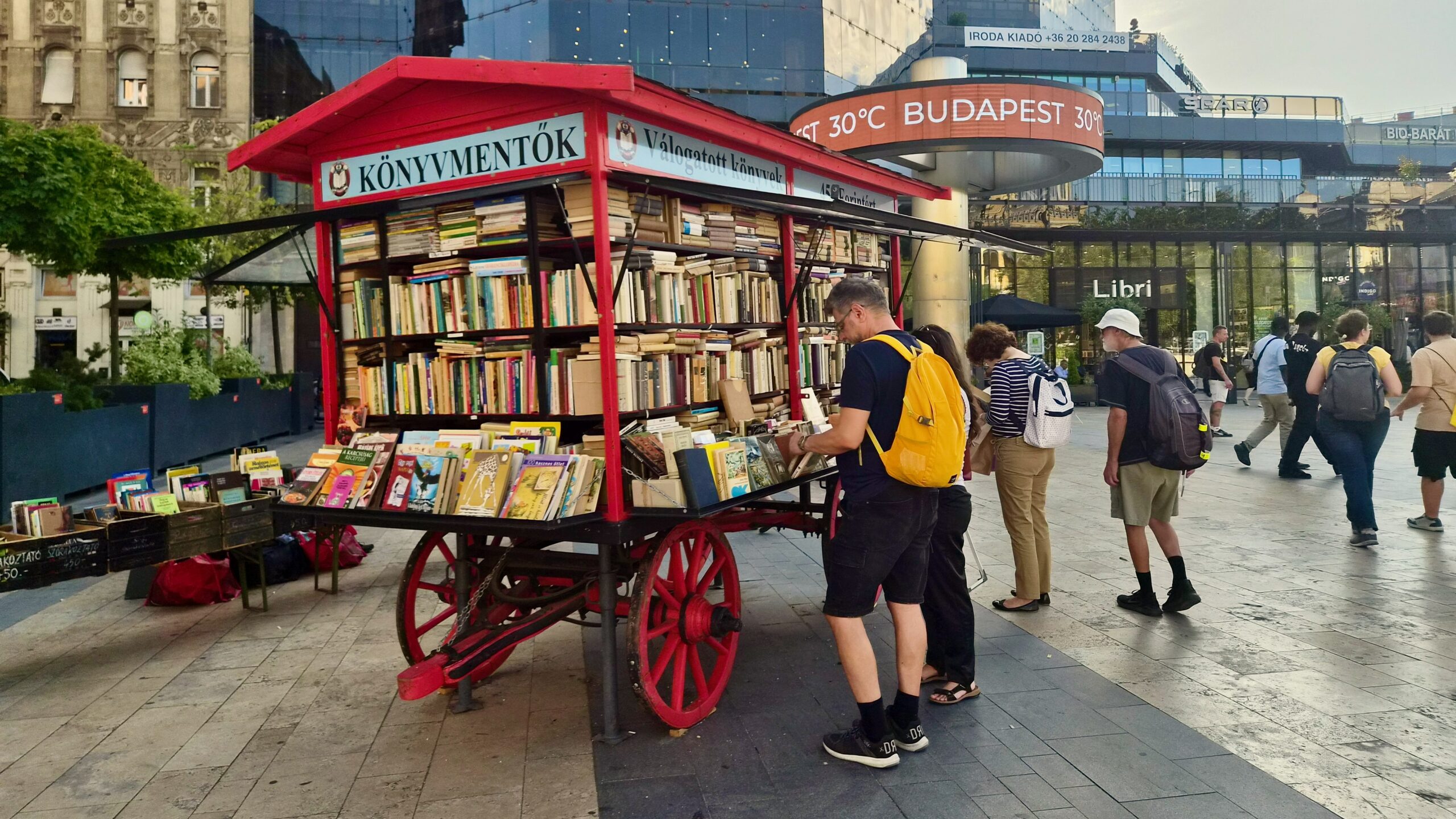
People seek out the street itself throughout the day — walking, sitting, meeting friends. By evening the riverside becomes something else again, buildings lit up on both sides of the water.
Benches and small parks turn up along the walk without much searching, and the river is rarely far from a place to sit. For a longer break, Gellért Hill is worth the climb.
On foot
A few places worth knowing
Not sights to tick off — a few suggestions for experiencing each side of Budapest on foot. How it feels to walk, where the street life gathers, and where the city lets you stop. It’s how the video moves through the city.
The Danube promenade between the bridges — easy to follow, with the river keeping you oriented. The Jewish Quarter’s grid of small streets — made for changing direction on a whim. And the climb up from the river on the Buda side, where the walking gets steeper almost as soon as you leave the water.
Liszt Ferenc tér — an everyday square where people sit, meet, and pass through. The Jewish Quarter after dark — bars, courtyards, and streets that get busier as the evening goes on. And the Danube promenade once the buildings light up, when people slow down and stay by the water rather than just passing.
A small park on the Buda side, right along the walking route — no detour needed. The embankment near Parliament, where you can sit close to the river without leaving the centre. And Gellért Hill, the one pause in the city worth climbing for.
This is how the video walks Budapest — the full route is in the film.
What we recommend
Don’t miss these
You’ll come across plenty as you explore. These are the ones we recommend making time for.
Inner Pest
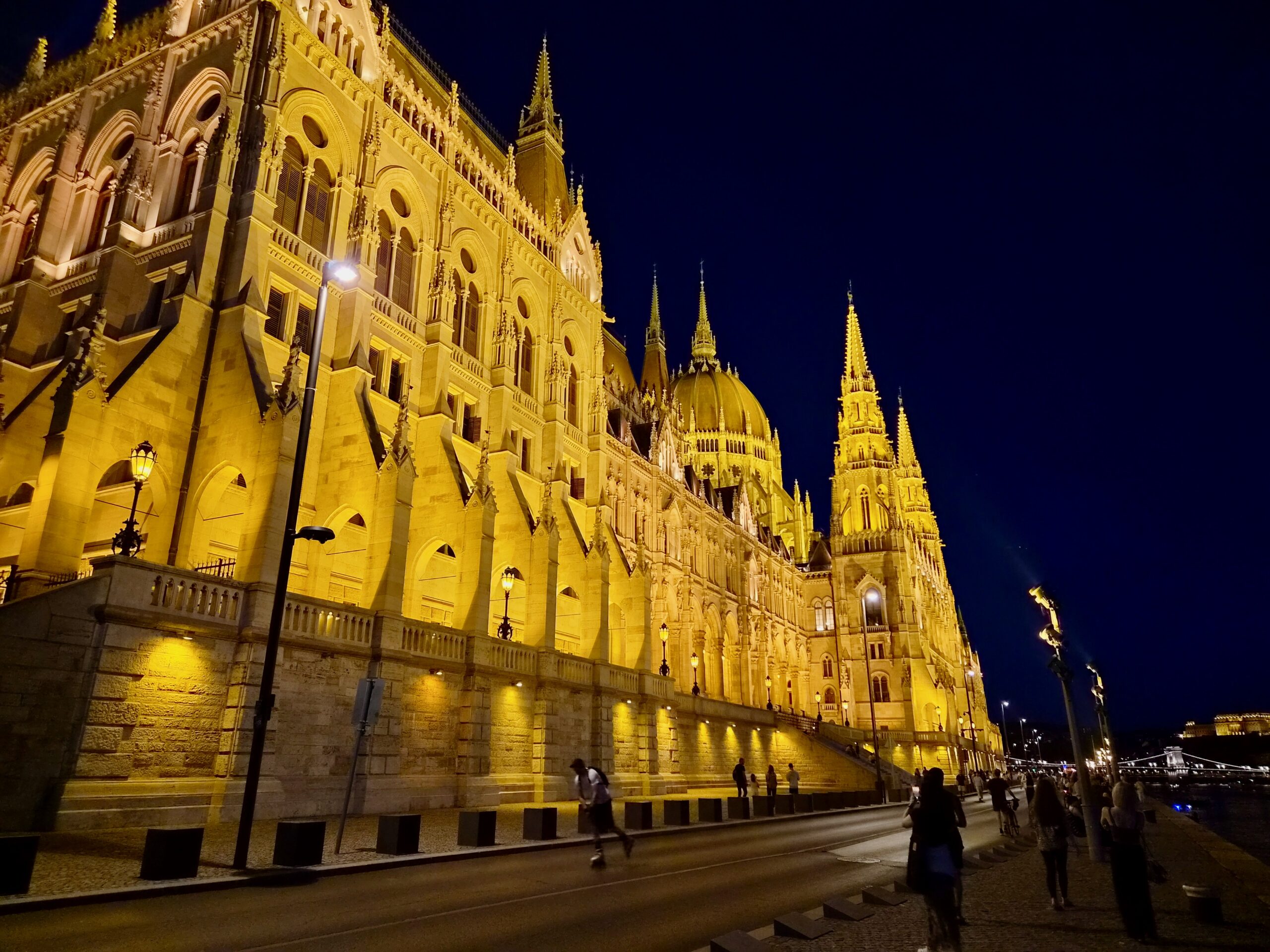
The Parliament building — one of the largest parliament buildings in the world, and the single image most people already carry of Budapest before they arrive. Neo-Gothic, symmetrical, and lit gold after dark, it sits directly on the Danube and anchors the whole Pest riverfront.
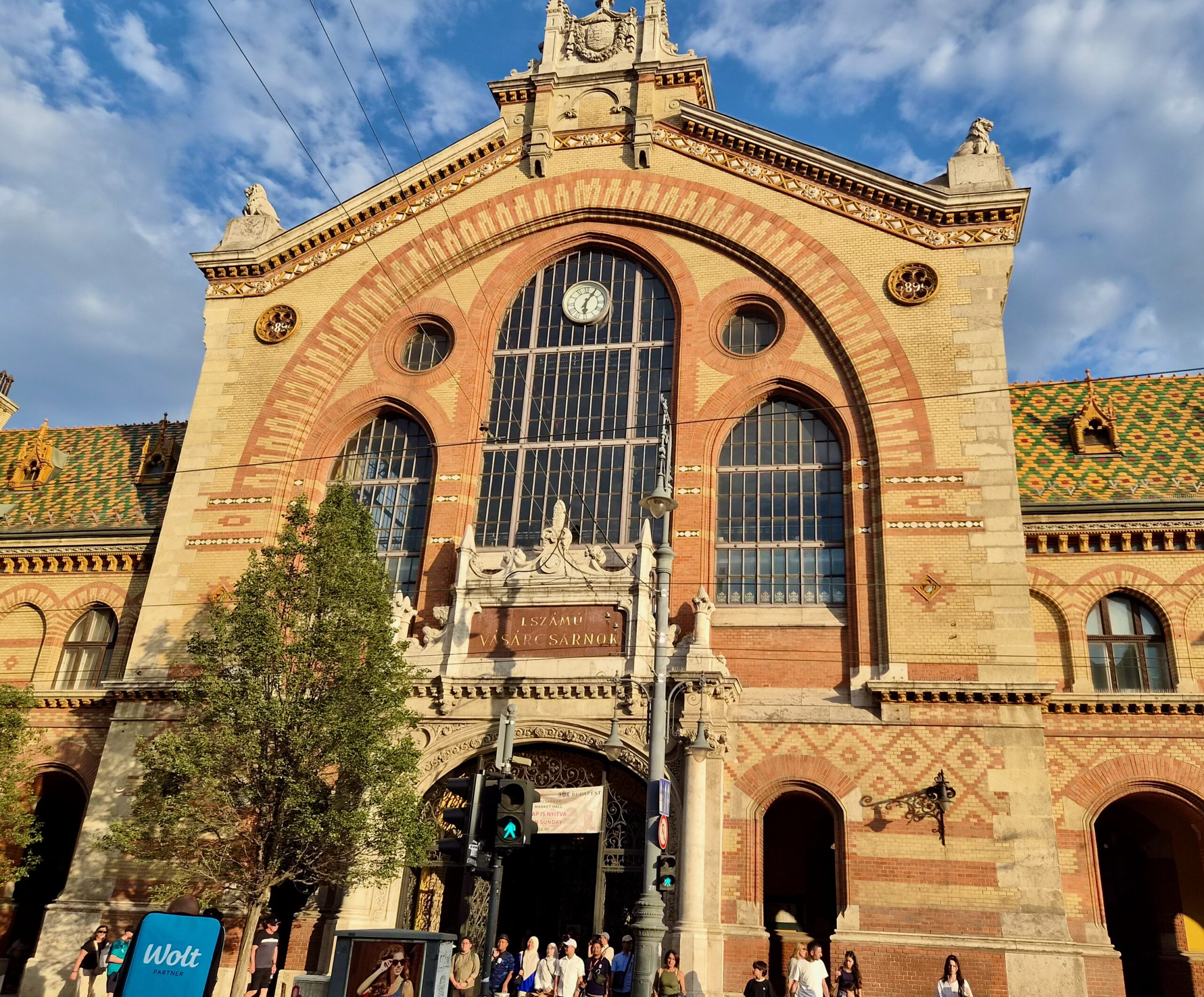
Central Market Hall — Budapest’s great 19th-century market hall, with stalls, shoppers and visitors mixed in under one iron roof. Lángos and paprika are the obvious souvenirs, but it’s worth going just to watch the trade happen.
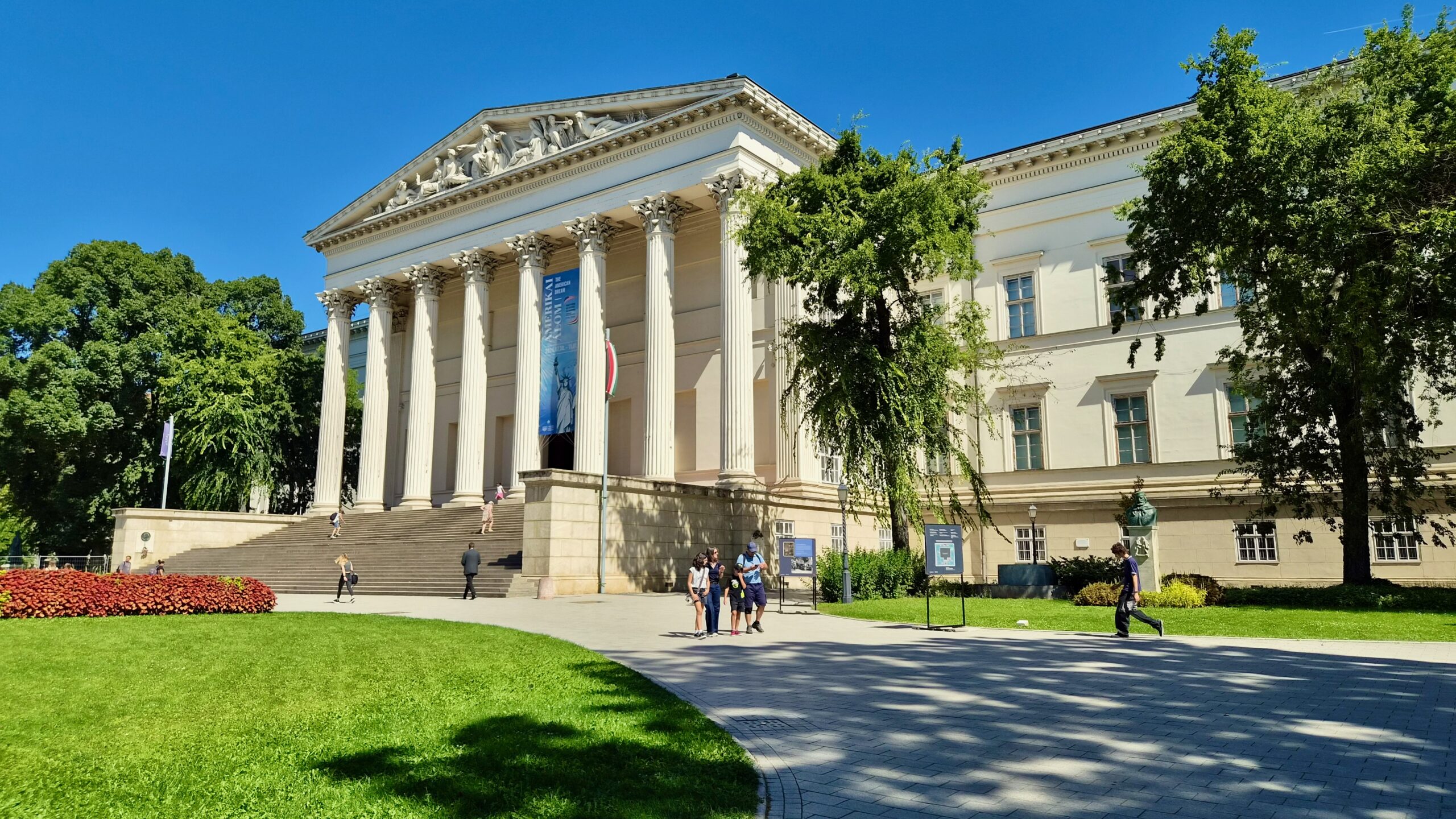
The Hungarian National Museum — a neoclassical building holding the country’s history collection, from the coronation regalia to the 20th century. The steps outside are as much a landmark as the museum itself — this is where the 1848 revolution is traditionally said to have been declared.
St. Stephen’s Basilica — the largest church in Budapest, with a dome that matches the Parliament building’s height almost exactly — a deliberate rule, so neither secular nor religious power would outrank the other on the skyline.
The Jewish Quarter
The Great Synagogue — on Dohány utca, the largest synagogue in Europe and the second-largest in the world. Moorish Revival on the outside, with a walled memorial garden behind it — a quiet, heavy counterpoint to the bars and courtyards on the streets around it.
The ruin bars — bars built into the courtyards and half-abandoned buildings of the old quarter, mismatched furniture and all. Szimpla Kert is the best-known, but it’s more of a category than a single address — the whole quarter fills up with variations after dark.
Buda
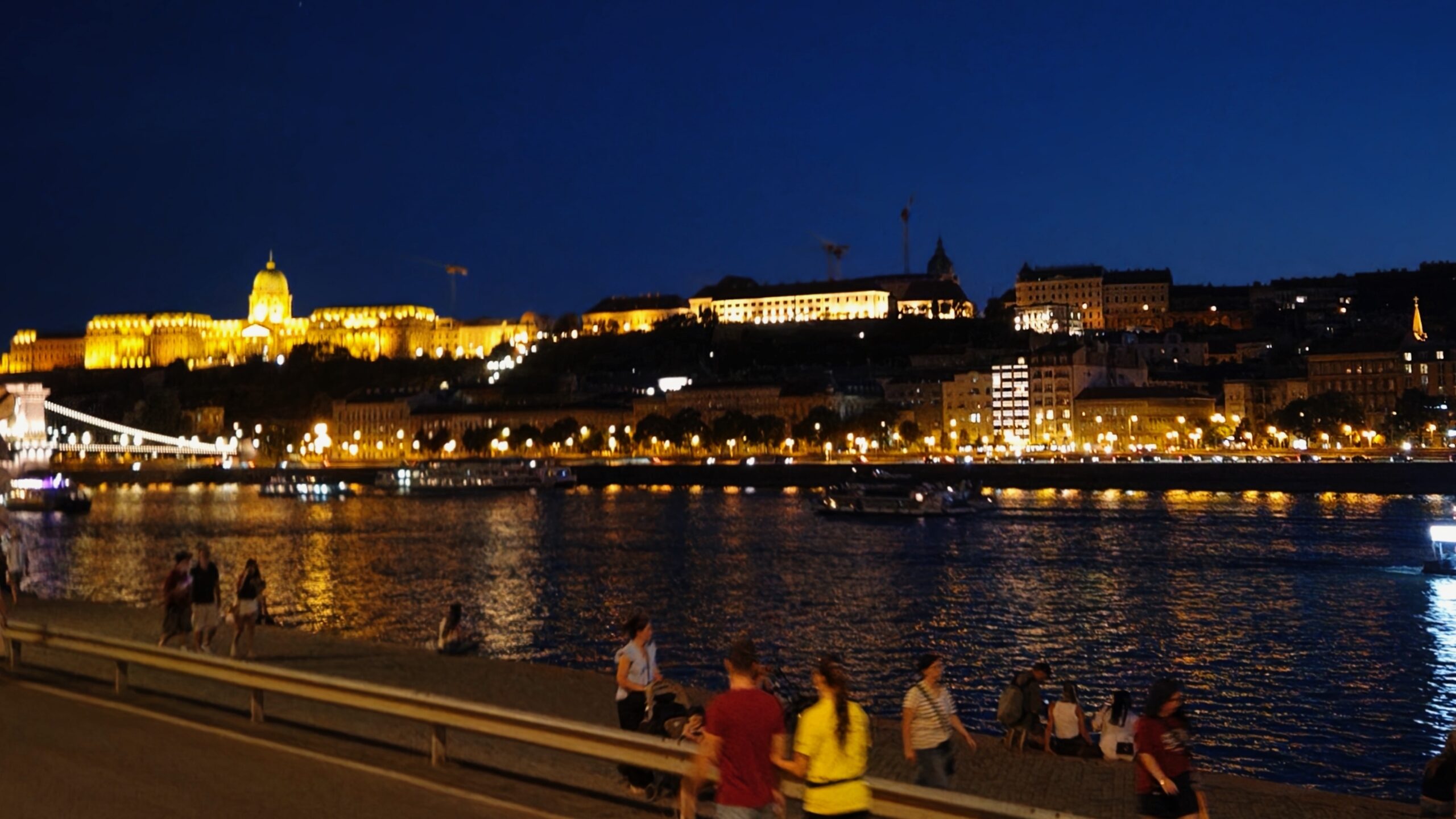
Buda Castle & Fisherman’s Bastion — the historic royal palace and the fairy-tale turrets just north of it, both sitting on the ridge above the river. The Bastion was never a real fortification — it was built purely for the view — and it delivers exactly that, straight across to the Parliament building on the other side.
Gellért Hill — the steepest of Buda’s viewpoints, topped by the Liberty Statue. It’s a real climb, not a stroll, but it’s the one pause in the city that rewards you with the whole skyline at once.
The Great Synagogue, the National Museum and Buda Castle need a ticket for the interior. Everything else — the squares, the market, the viewpoints — you’ll just walk into.
Short on time? Do two: the Parliament building for the skyline, Gellért Hill for the view back at it. Everything else you’ll probably walk past anyway.
Where to stay
Three Hotels, All Worth the Stay
Where you stay shapes how a city feels. For Budapest we stayed in three hotels in three different parts of the city — by the river on the Buda side, on the grand boulevard of Andrássy út, and right in the centre of Pest. Three different versions of the same city.
Budapest is one of three cities on the Three Capitals on the Danube trip, following on from Vienna and Bratislava — the full route is coming soon.
More of Budapest
Street Level: Budapest
Real time, no talking — just the ambient sound of the city. A shorter, unscripted walk through Budapest, for whenever you want to drop back into it.