Read on foot
Cities
Every city we’ve walked, read the same way — through the Travel Without Chaos Index.
Where we’ve been
The cities so far
Walkable cities, read the same way every time — through Walkability, Street Life, and Places to Pause. A starting point, not the whole map.
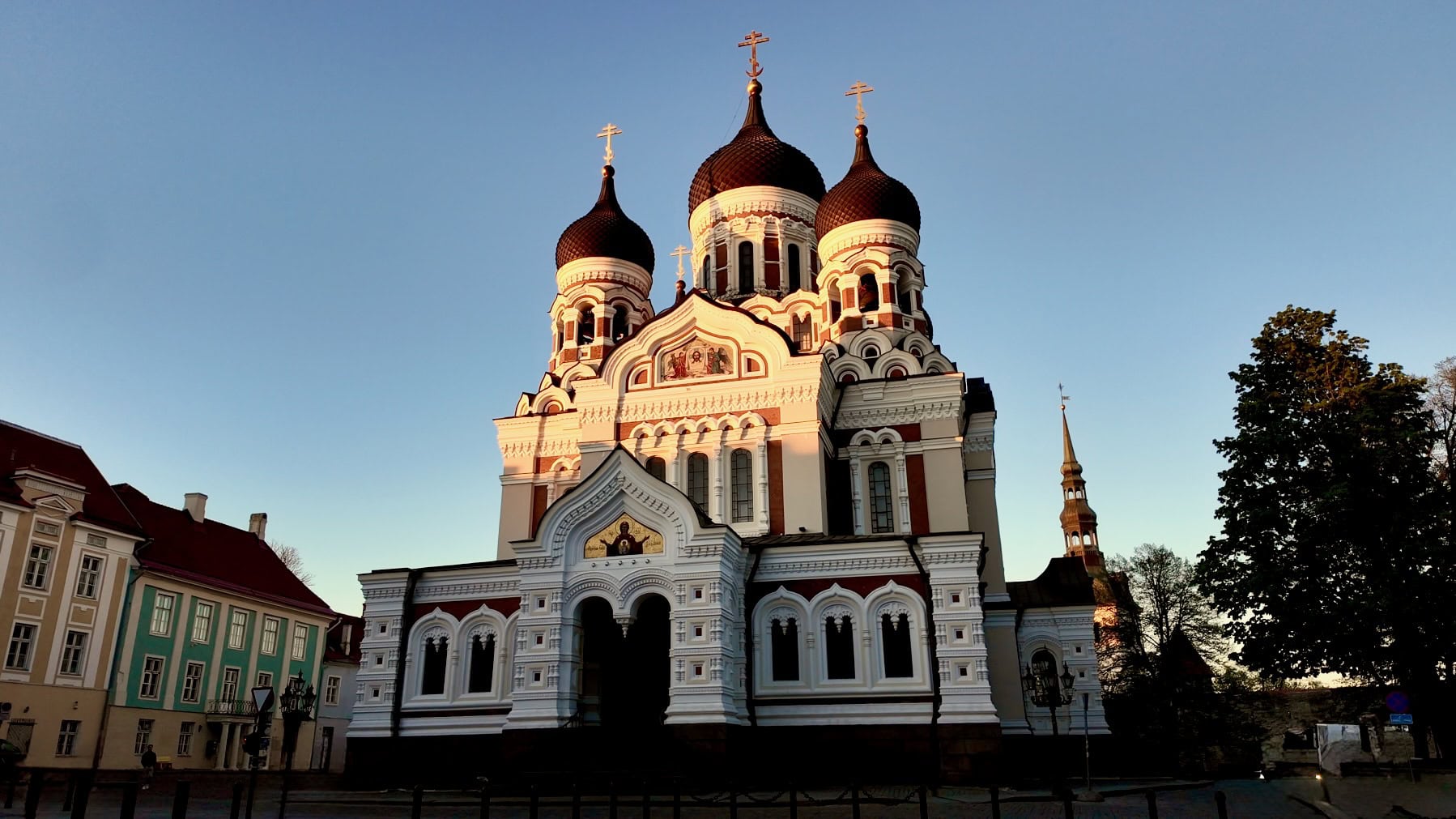
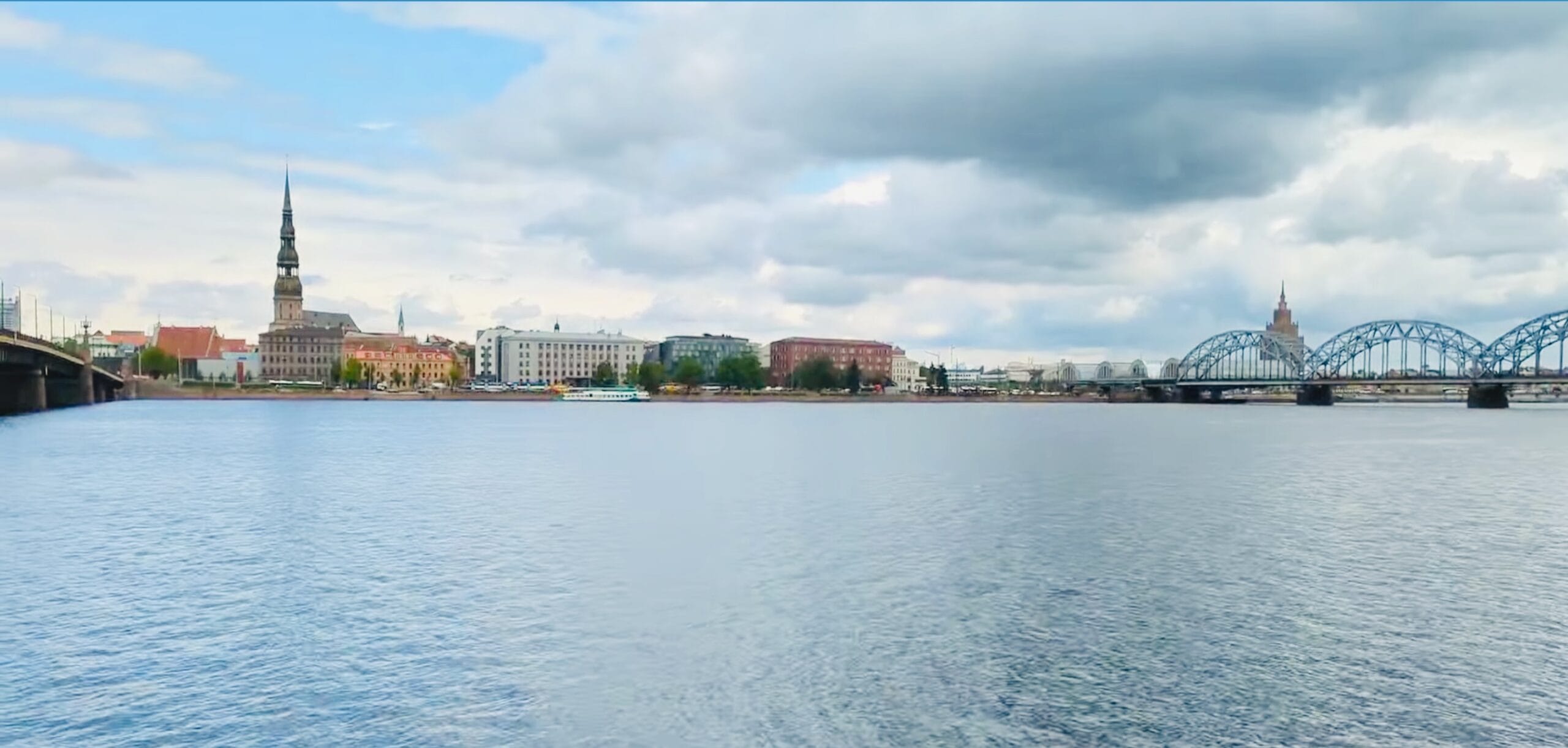


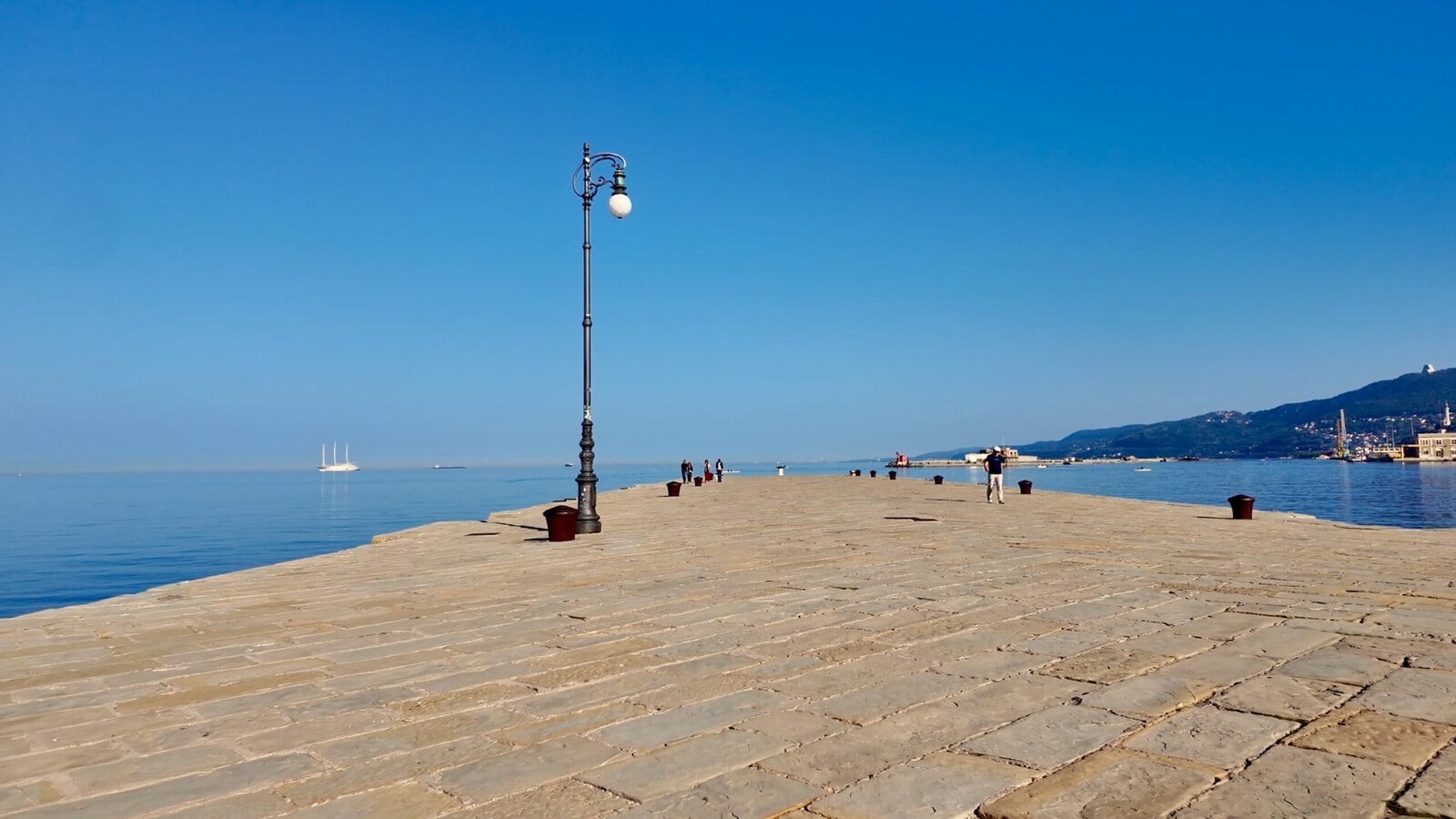
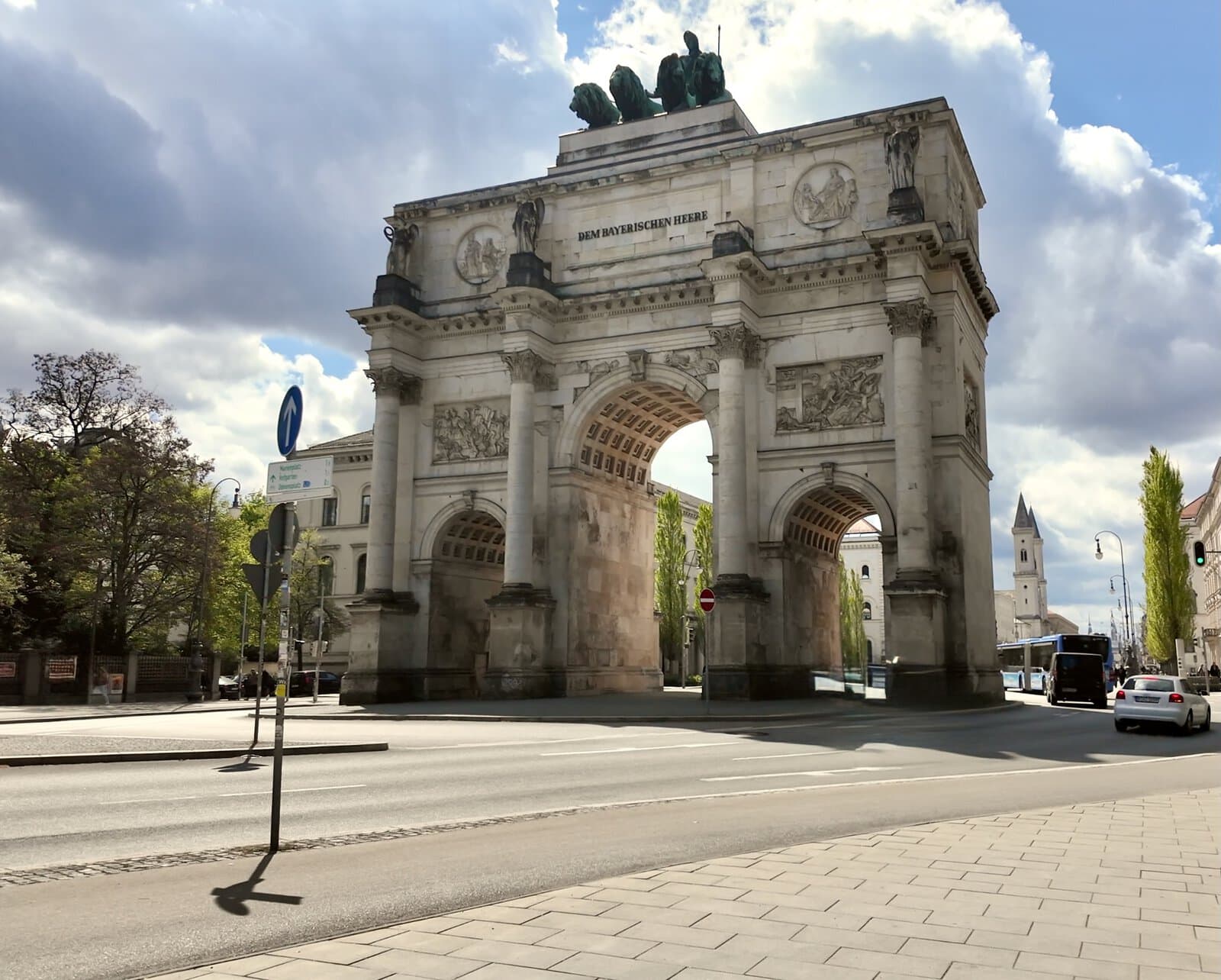
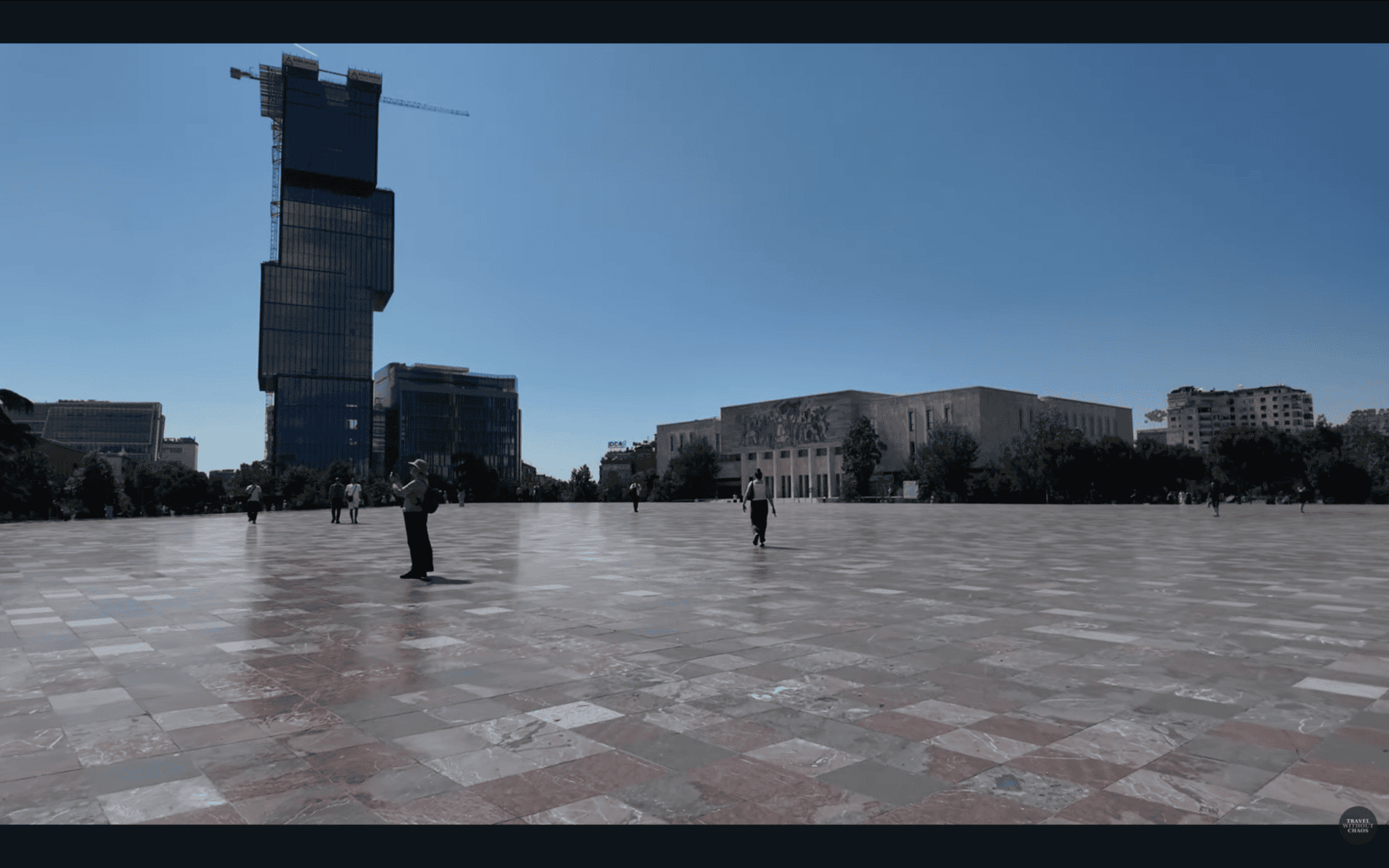
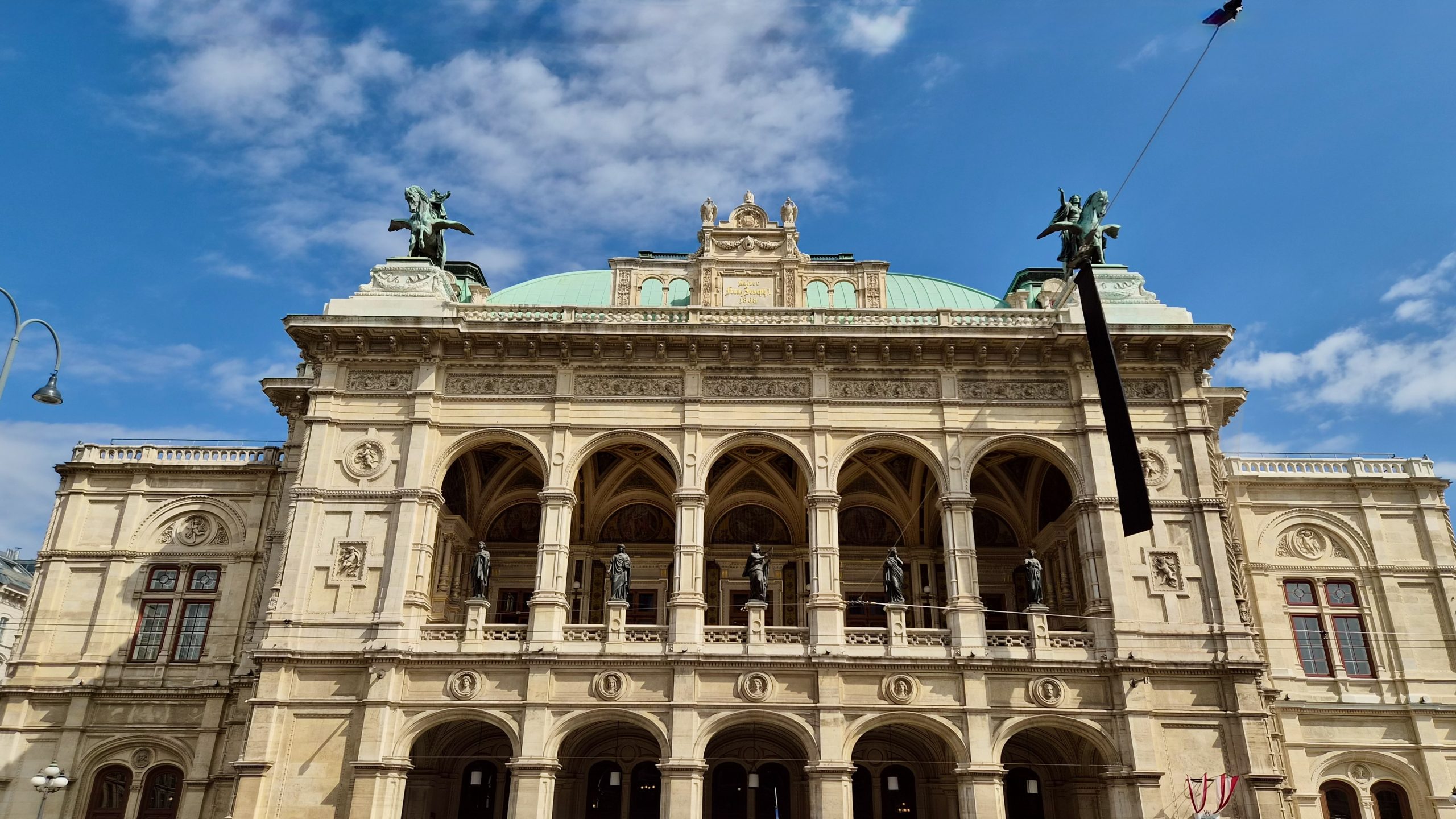

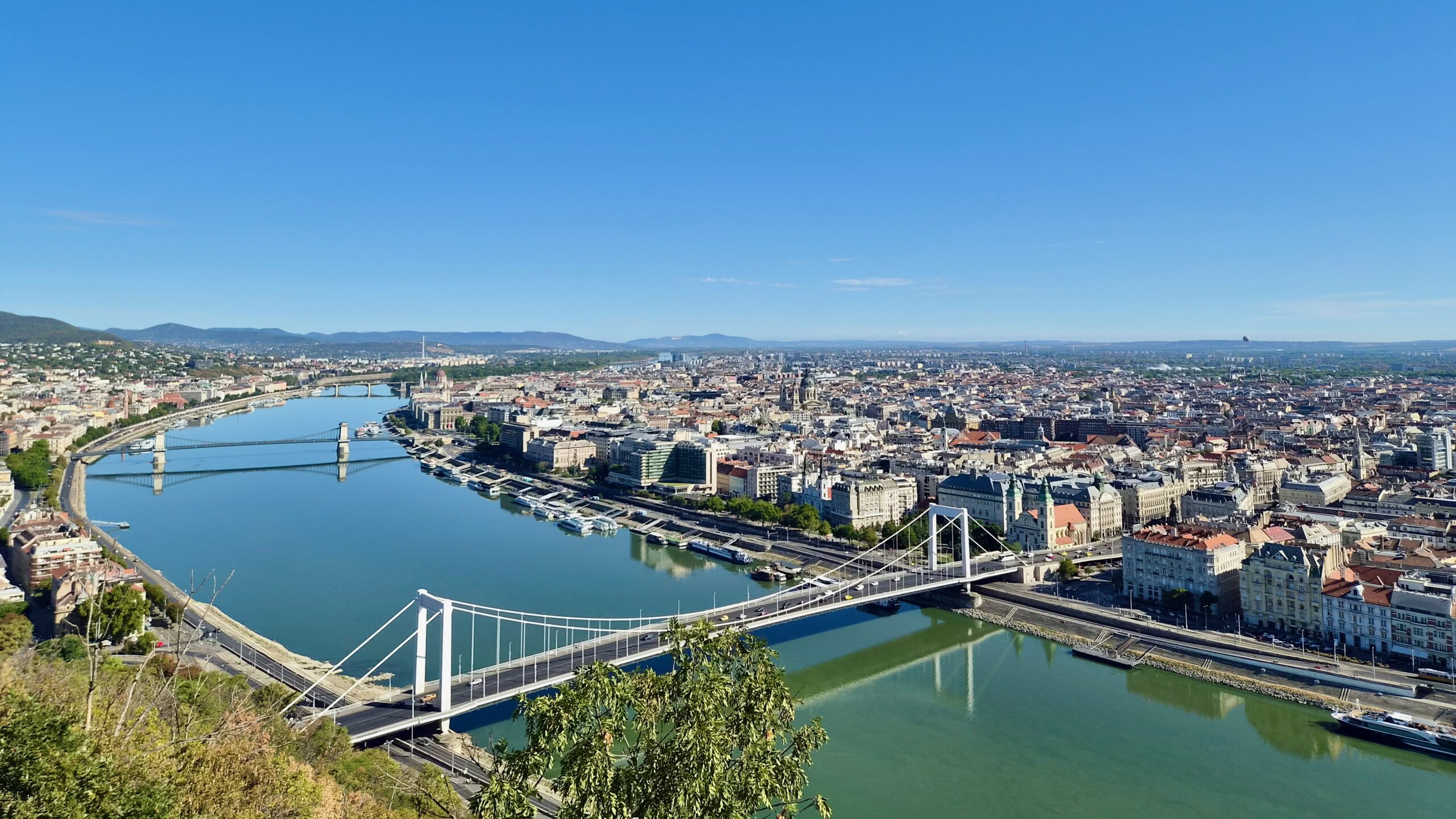
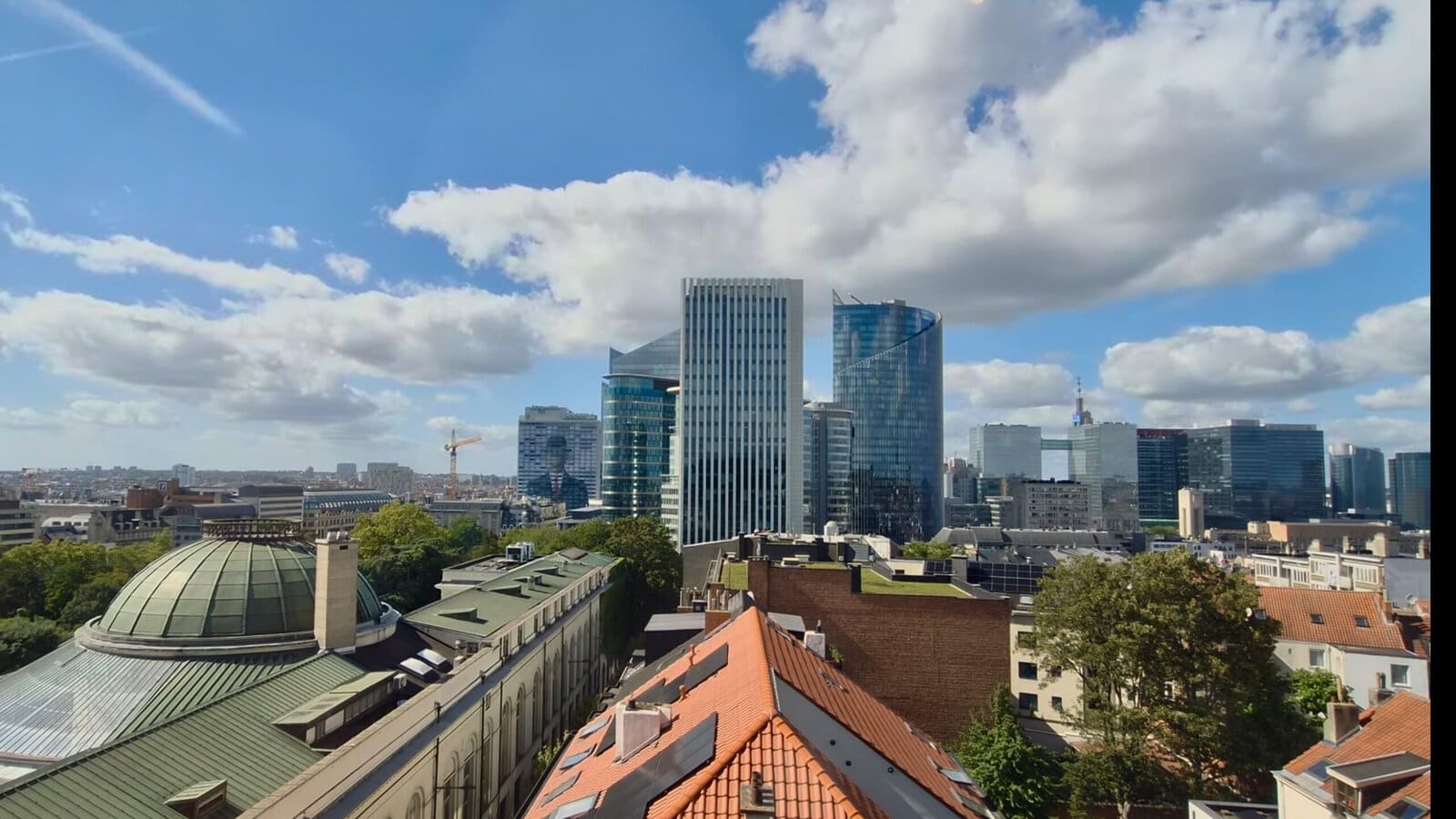
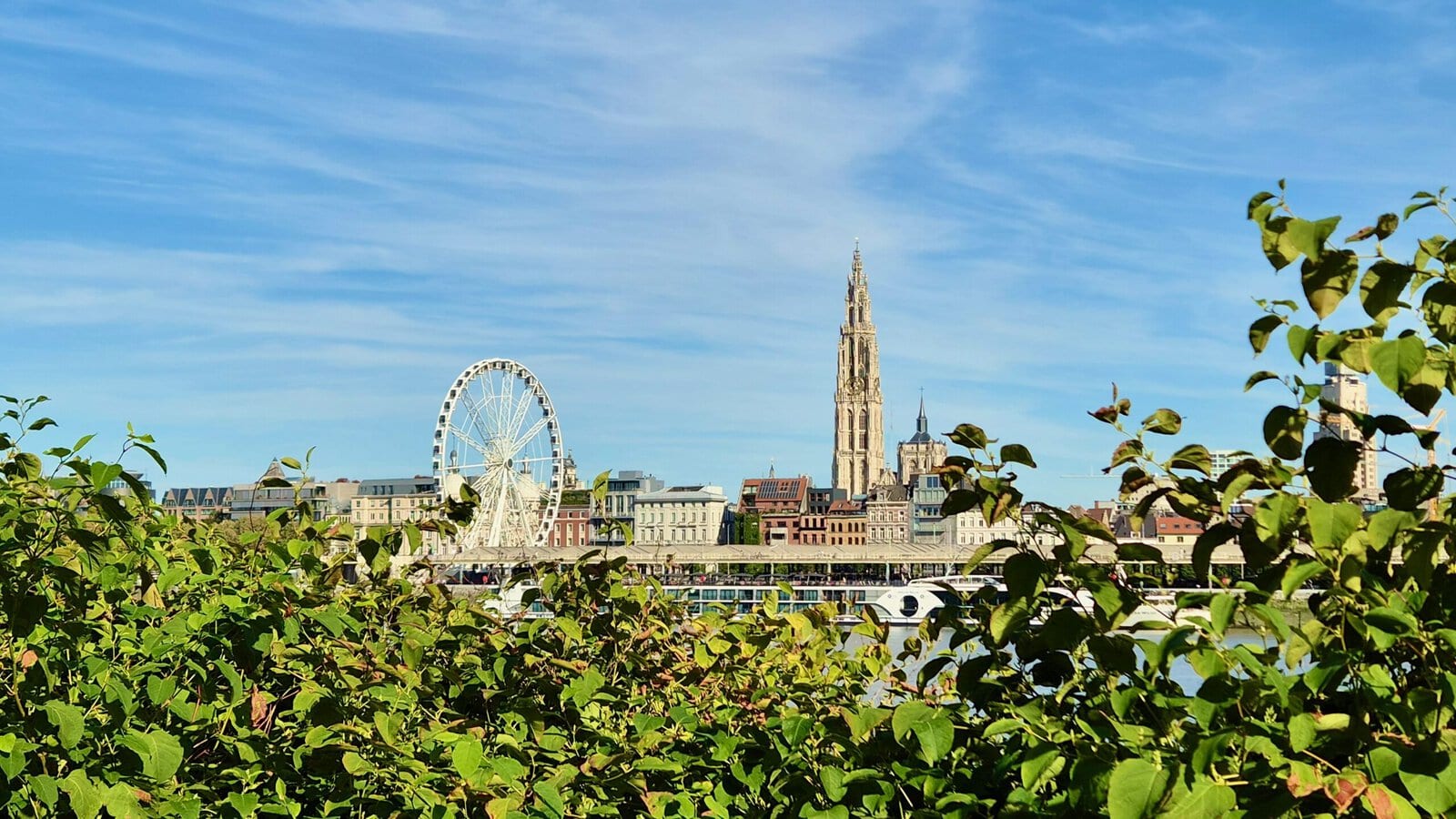
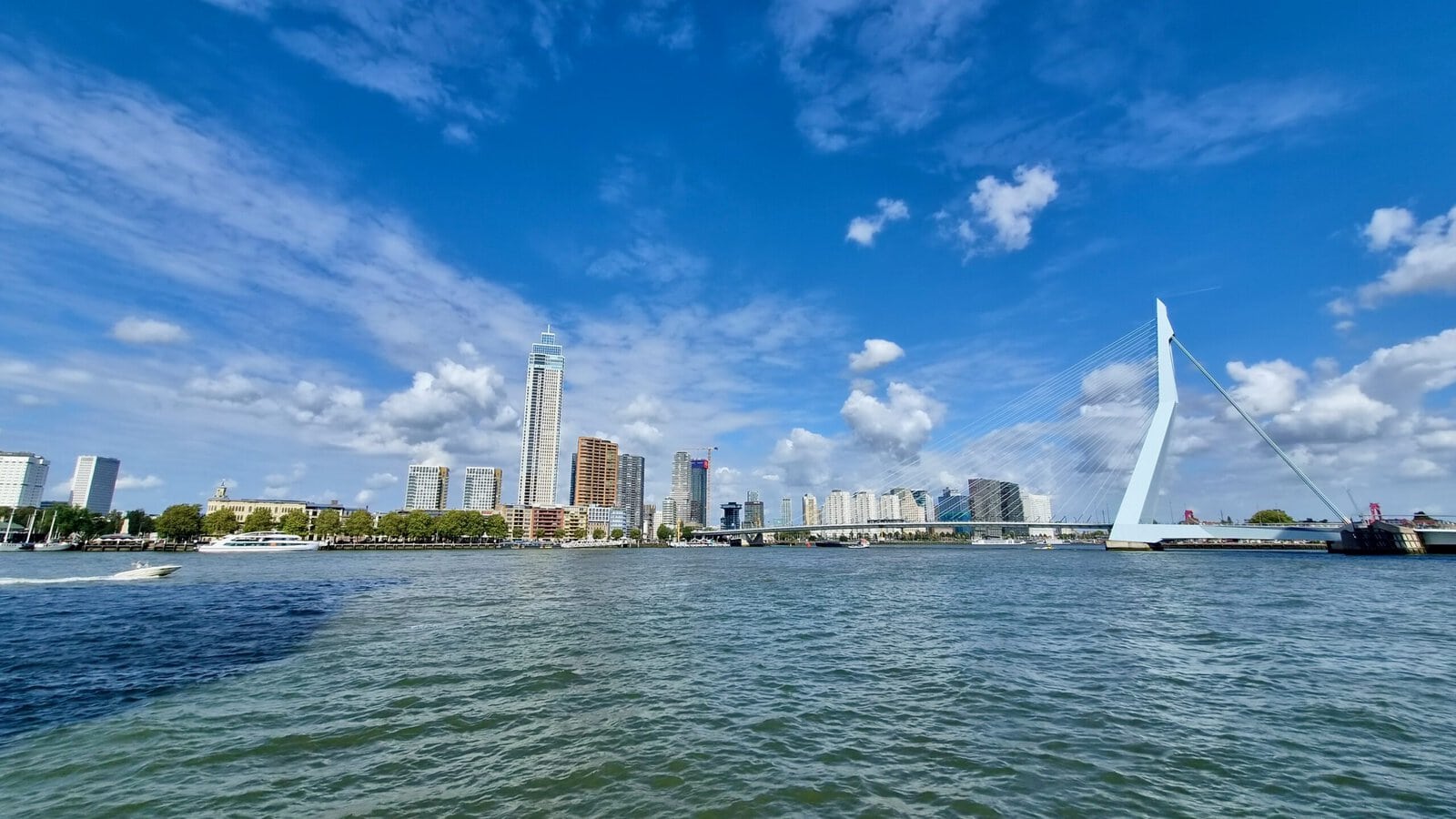
More cities join as each trip publishes.
How the Travel Without Chaos Index works
Every city above gets the same three-part reading. Walkability looks at how the city actually works underfoot — pavement widths, crossings, how far you can get before you need a car or a metro ticket. Street Life is about what’s actually happening at eye level: markets, benches, people out and about rather than just passing through on their way somewhere else. And Places to Pause covers the parks, squares and quiet corners that give a city somewhere to stop, not just somewhere to walk through on the way to the next sight.
Each city is scored out of five on all three, for a total out of fifteen. The score isn’t a verdict on whether a city is “good” — a low Street Life score in a city built for quiet mornings isn’t a flaw, it’s just what that city actually is. The point is to know what you’re walking into before you book anything, not to rank one city above another as if there were a single right answer for every kind of trip, or every kind of traveller.
Why on foot
Most travel content is written from a car window or a checklist of must-see sights. This isn’t that. Every city here is walked, not toured — the same slow pace whether it’s a capital or a place most visitors skip entirely, in the height of summer or the middle of a quiet week. That’s slower, and it means fewer cities covered per year than a channel built around highlight reels, but it’s the only way we’ve found to actually get a real feel for how a place works day to day, rather than just what it looks like in photos.
That also means no city gets a free pass because of its reputation, and no city gets written off because it isn’t famous or well photographed. A capital with a well-known skyline and a smaller city most people have never heard of are read through exactly the same three dimensions, on the same terms, with the same amount of walking and the same attention to what’s actually there. Some of the most walkable cities on this list aren’t the ones anyone expects — which is part of the reason the Index exists in the first place, rather than just a ranked list of the usual names people already know to visit.
Each city guide links through to the hotels we stayed in there, and the hotels link back the other way — so if a city catches your eye, the practical part of planning a trip around it, working out where to actually stay once you’ve landed, is never more than one click away in either direction.